Johann Gottfried Herder
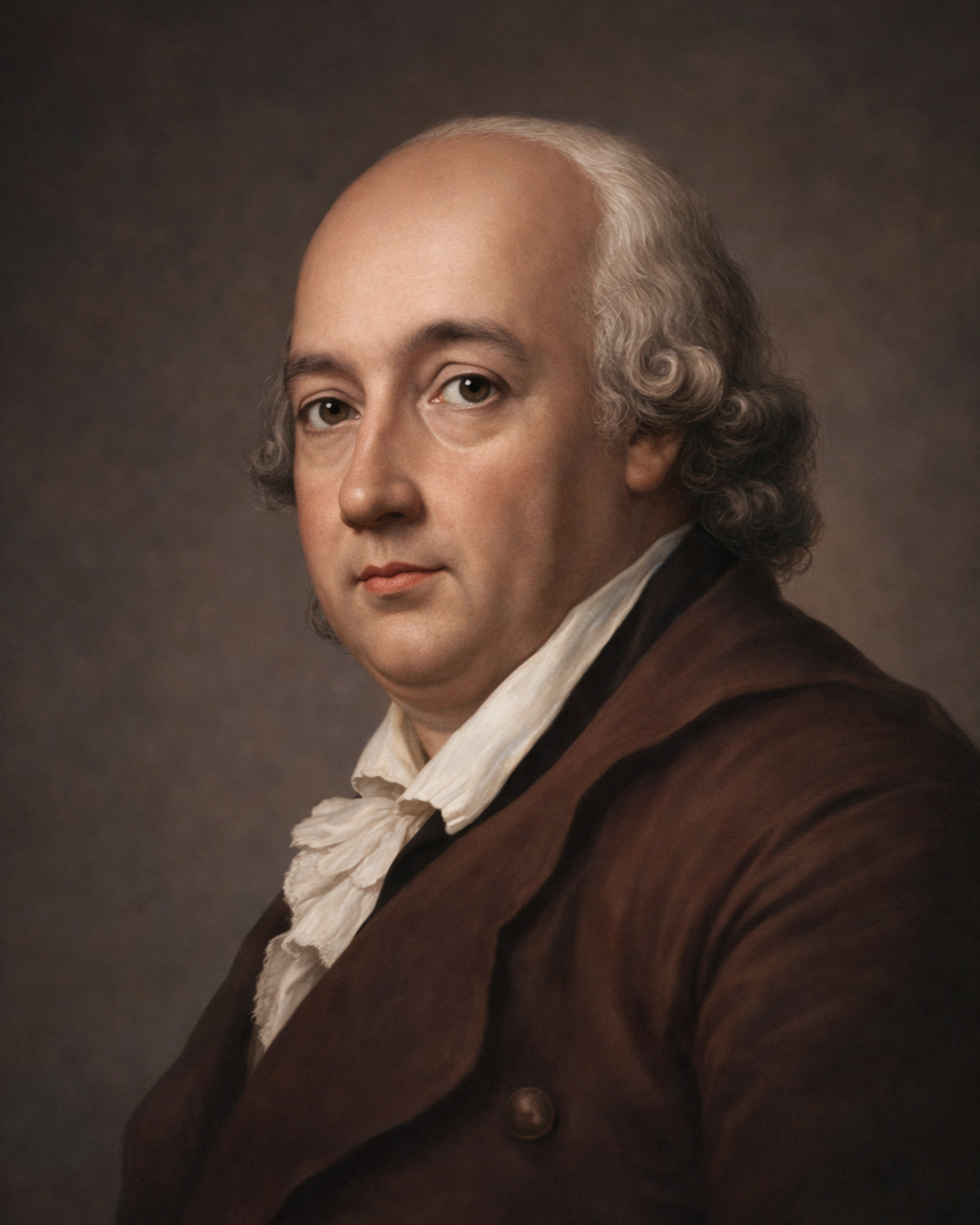
Johann Gottfried Herder (1744–1803), Preußen: Philosoph und stiller Unruhestifter an der Schwelle zweier Welten. Wo die Aufklärung kühl nach universellen Gesetzen griff, bestand Herder auf dem Eigensinn der Völker – ihrer Sprache, ihrer Geschichte, ihrer unverwechselbaren Seele; eine Idee, die zugleich befreiend und gefährlich war, wie die Folgejahrhunderte mit einiger Gründlichkeit bewiesen. (geb. Mohrungen, gest. Weimar)
Johann Gottfried Herder (1744–1803) was a German philosopher, theologian, and literary critic whose work bridged the late Enlightenment and the rise of Romanticism. A pioneer of modern cultural theory, he emphasized the historical and linguistic roots of human thought and helped define the idea of national and cultural identity. His ideas influenced later figures such as Johann Wolfgang von Goethe, Wilhelm von Humboldt, and G. W. F. Hegel.
Key facts
Born: August 25, 1744, Mohrungen (now Morąg, Poland)
Died: December 18, 1803, Weimar, Germany
Major works: Treatise on the Origin of Language (1772); Ideas for the Philosophy of the History of Humanity (1784–91)
Movements: Sturm und Drang; early German Romanticism
Core concepts: Cultural pluralism, linguistic relativism, Humanität (universal humanity)
Quelle: unknown